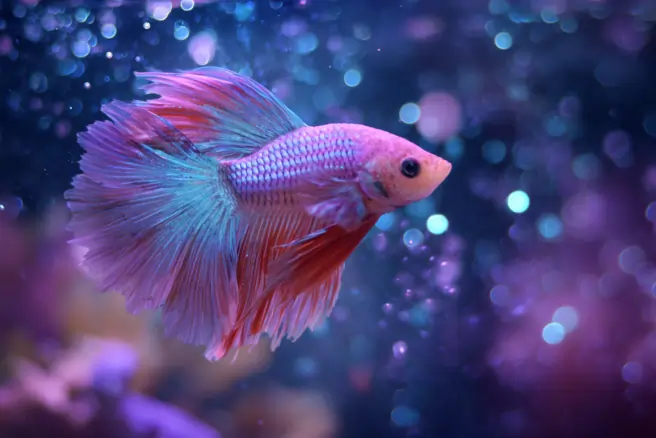
The Ultimate Guide to Buy Betta Fish Online in 2026

fighting fish isolated on black background stock photo

Finding a healthy and vibrant Betta fish begins with selecting the right vendor. In 2026, online stores have become increasingly reliable for sourcing high-quality Betta fish due to enhanced shipping practices and widespread adoption of proper handling techniques. Below is an in-depth look at the best places to purchase Betta fish online, as well as tips for ensuring you make a responsible and informed choice.

Criteria for Choosing an Online Store

  • Reputation: Look for sellers with strong customer reviews, testimonials, and positive feedback.
  • Health Guarantees: Reliable vendors often offer live arrival guarantees or health assurances.
  • Selection Variety: Reputable websites provide a diverse range of Betta species and colors.
  • Shipping Practices: Check if the retailer uses secure packaging methods to ensure safe delivery.
  • Customer Support: Ensure that the seller offers post-purchase support for questions or concerns.

Top Online Stores for Betta Fish in 2026

  1. Offers a wide selection of rare and exotic Betta breeds.
  2. Ships globally with advanced temperature-controlled packaging.
  3. Features detailed profiles on each fish’s genetics and care requirements.
  4. Specializes in sustainably sourced Bettas from ethical breeders.
  5. Provides health certifications upon purchase.
  6. Known for its excellent customer service team available 24/7.
  7. A user-friendly platform with options ranging from beginner-friendly Bettas to highly ornamental ones.
  8. Includes video previews of available fish before purchase.
  9. Affordable pricing tiers suited for hobbyists at all levels.
  10. Focuses exclusively on unique specimens such as Halfmoon Plakats and Dumbo Ear Bettas.
  11. Highly customizable shipping options tailored to different regions worldwide.

Comparing Features: A Quick Overview

Vendor Name Health Guarantee Variety of Breeds Global Shipping Pricing Range
The Fancy Betta Boutique Yes High Yes $$$
Aquatic Wonders Marketplace Yes Moderate Yes $$
BettaWorld Online Yes High Yes $-$$
Rare Fins Collective Yes Niche/Exotic Yes $$$$

How to Identify a Healthy Fish When Buying Online

  • Request clear photos or videos from multiple angles showing the fish’s coloration, fins, and overall body condition.
  • Look out for signs such as vibrant colors (faded or pale colors may indicate stress) and intact fins without tears or fraying.
  • Ask about feeding behavior—healthy Bettas are active eaters when not stressed.
  • Inquire about quarantine practices; reputable sellers isolate new stock before offering them on sale.

Benefits of Buying Online vs Local Stores

  1. Wider selection of species, including rare varieties unavailable locally.
  2. Access to reviews and detailed descriptions from trusted sources.
  3. Direct communication with specialized breeders who have expert knowledge about specific types.

When purchasing from any online source, remember that preparation is key—ensure your aquarium setup is ready before your new aquatic friend arrives home! Proper acclimation after delivery will help reduce stress levels and encourage your new pet’s active adjustment into its environment.

Your Ultimate Guide to Choosing the Best Betta Fish Online Shop in 2026

When looking to purchase betta fish online, finding a reliable source is essential. With an increasing number of online retailers offering these vibrant and captivating fish, selecting the best platform can ensure you receive healthy and well-cared-for specimens. Below, we explore some of the most reputable places to buy betta fish online in 2026, along with tips for evaluating sellers.

Essential Tips to Buy Betta Fish for Sale Online

  • Reputation: Look for reviews and testimonials from previous customers. A consistent track record of satisfied buyers is a strong indicator of reliability.
  • Fish Health: Ensure the retailer prioritizes the health of their stock by maintaining clean tanks and proper care routines.
  • Shipping Policies: Confirm that the store uses secure packaging and provides fast shipping options tailored for live animals.
  • Return Policy: Some reputable vendors offer guarantees or return policies if you receive unhealthy or injured fish upon arrival.

Top Online Platforms for Purchasing Betta Fish

  1. Aquabid is often referred to as an “eBay for fish.” It allows breeders from around the world to sell their unique bettas directly to buyers.
  2. Key Features:
    • Wide range of rare and exotic varieties.
    • Auction format allows you to control your budget.
    • Shipping times may vary depending on breeder location.
    • Always verify seller ratings before purchasing.
  3. Known for its curated selection of high-quality bettas, The Betta Shop specializes in rare colorations and patterns.
  4. Key Features:
    • All fish are photographed individually.
    • Detailed descriptions about temperament and care requirements.
    • Premium pricing for hard-to-find varieties.
  5. A well-established name in aquarium pet care, LiveAquaria offers a diverse selection of bettas alongside other aquatic species.
  6. Key Features:
    • Healthy Arrival Guarantee ensures customer satisfaction.
    • Resources on care and tank setup available on-site.
    • Limited stock on rarer breeds.
  7. While eBay might seem unconventional, many professional breeders run verified stores on this platform where they sell healthy stock directly.
    • Competitive pricing due to direct breeder access.
    • Access customer reviews specific to each seller.
  8. Specialized Breeder Websites
    Many expert breeders maintain personal websites where they sell stunning, hand-raised bettas directly from small-scale operations.

Tips for First-Time Buyers

  • Request additional photos or videos if you’re uncertain about a listing’s authenticity or quality.
  • Make sure you understand shipping costs as they often vary based on location and packaging needs.
  • Ask sellers about water conditions — such as pH levels or temperature ranges — under which the bettas were kept so you can match their environment at home.

Sample Comparison Table

Platform Specialization Price Range Guarantee Available?
Aquabid Rare breeds via auctions $$ Varies by seller
The Betta Shop Exotic varieties $$$ Yes
LiveAquaria Healthy & common varieties $$ Yes
Verified eBay Direct breeder sales $ Varies by seller

Final Thoughts

Buying bettas online opens up opportunities not available through local pet stores, such as access to rare breeds or expert-bred specimens. By carefully researching sellers and platforms while considering key factors like health guarantees and shipping practices, hobbyists can confidently bring home beautiful new additions for their aquariums without worry about quality concerns or ethical practices.

Discover Stunning Betta Fish for Sale and Their Unique Colors

Betta fish, also known as Siamese fighting fish, are among the most visually stunning freshwater species in the aquarium hobby. Their vibrant colors, intricate patterns, and flowing fins make them a favorite for both beginner and experienced aquarists. Let’s delve into what makes these fish so captivating by exploring their features and colors.

Spectacular Color Variations

  • Red: A classic hue that symbolizes vitality and energy.
  • Blue: Often seen in shades like royal blue, steel blue, or turquoise.
  • Yellow: Known as “non-red” bettas, these display a cheerful golden tone.
  • White: Sometimes referred to as “opaque,” these bettas have a striking pearlescent sheen.
  • Bi-Colored: These feature two distinct colors—often with contrasting bodies and fins.
  • Multicolored: A blend of three or more colors spread across the body and fins.
  • Metallic: Their scales have an iridescent shimmer due to light-reflecting pigments.
  • Marble: Dynamic patterns that shift over time as they age.
  • Butterfly: Fins with bands of contrasting or complementary colors.
  • Koi: Resembling koi fish with patches of orange, red, black, or white tones.

Unique Fin Shapes

Fin Type Description Example Varieties
Veil Tail (VT) Long flowing fins that trail behind gracefully Common in pet stores
Crown Tail (CT) Fins with spiked edges resembling a crown Unique silhouette
Halfmoon (HM) Caudal fin spreads at a full 180-degree angle when flared Popular among breeders
Delta Tail (DT) Fins form a triangular shape but don’t fully reach the half-moon spread Elegant look
Plakat (PK) Short-finned variety similar to wild bettas; great swimmers Low-maintenance option

Iridescence and Layered Pigmentation

  1. Erythrophores – Responsible for red pigments.
  2. Xanthophores – Produce yellow pigments.
  3. Melanophores – Contribute to black tones.
  4. Iridophores/Iridocytes – Reflect light for metallic or shimmery effects.

The interplay between these pigment layers creates unique effects like metallic finishes or gradient transitions across their bodies.

Enhancing Their Colors

To maintain or even enhance your betta’s colors over time: – Provide high-quality food rich in carotenoids such as brine shrimp or daphnia. – Ensure consistent water conditions—ammonia spikes can dull colors. – Place them under full-spectrum lighting to highlight iridescence. – Avoid stressors like aggressive tank mates that may lead to fading hues.

Bettas’ vibrant shades combined with elegant fins make them living works of art within aquariums. By understanding what influences their appearance—from genetics to care—you can fully appreciate the beauty they bring into your home setup while ensuring they thrive in optimal conditions.

beautiful betta splendens isolated on black background stock photo

Understanding the Unique Behavior and Characteristics of Betta Fish

Betta fish, also known as Siamese fighting fish, are renowned for their vibrant colors and intriguing behaviors. These freshwater species are native to Southeast Asia and have captivated aquarists worldwide due to their distinct traits. Below, we explore their unique behavior and characteristics in detail.

Natural Habitat and Instincts

  • Labyrinth Breathers: Betta fish possess a special organ called the labyrinth organ that allows them to breathe atmospheric air. This adaptation helps them survive in oxygen-depleted waters.
  • Territorial Nature: In the wild, bettas are highly territorial. Males often claim small areas for themselves and defend them against intruders.
  • Bubble Nesting: Male bettas show reproductive behavior by building bubble nests at the water’s surface during breeding periods.

Behavioral Traits

  1. Bettas flare their gill covers when they feel threatened or see another male within proximity. This display is designed to make them appear larger and more intimidating.
  2. Occasional flaring is normal, but frequent or prolonged episodes could indicate stress.
  3. Healthy bettas exhibit smooth swimming patterns with intermittent exploration.
  4. Erratic swimming or lethargy may signal illness or poor water conditions.
  5. Bettas can recognize their owners over time and may swim to the front of the tank during feeding or interaction.

Coloration as Communication

  • Bright Colors: A sign of health, confidence, or dominance in males.
  • Dull Colors: May signify stress, illness, or submission after a confrontation with another fish.
  • Stress Stripes: Female bettas sometimes develop horizontal lines on their bodies when stressed.

Aggression Levels Between Males vs Females

Gender Aggression Level Social Compatibility
Male High (especially with other males) Best kept alone unless breeding
Female Moderate Can coexist in groups known as sororities (with careful monitoring)

Environmental Needs for Healthy Behavior

  • Tank Size: A minimum of 5 gallons per betta ensures sufficient space.
  • Temperature: 76–82°F (24–28°C)
  • pH Level: 6.5–7.5
  • Live plants
  • Hiding spots like caves or decorations
  • Open swimming areas

Understanding these characteristics not only enhances your bond with your betta but also ensures they thrive in captivity while exhibiting natural behaviors specific to their species.

A Comprehensive Guide to Choosing the Perfect Betta Fish for Your Aquarium

Selecting the right betta fish for your aquarium can be both an exciting and rewarding process. Whether you are a seasoned aquarist or a beginner, making an informed decision ensures the health of the fish and enhances the beauty of your tank. Below is a detailed guide to help you choose the perfect betta for your aquarium.

1. Evaluate Betta Fish Varieties

Betta fish come in a wide range of colors, patterns, and fin types. Understanding these varieties will help narrow down your choice based on personal preferences or compatibility with other tank mates.

  • Veil Tail: The most common type with long flowing tails that droop gracefully.
  • Halfmoon: A fan-shaped tail that flares out at a 180-degree angle when fully spread.
  • Crowntail: Characterized by fringed edges resembling a crown.
  • Plakat: Shorter fins, ideal for those who prefer more active swimmers.
  • Color Variations:
    Betta fish boast vibrant hues ranging from solid blues and reds to multicolor patterns like marble or koi bettas.
Tail Type Description Ideal For
Veil Tail Long-flowing, drooping fins Beginner hobbyists
Halfmoon Fan-shaped tail with wide spread Display aquariums
Crowntail Spiky-edged fins resembling a crown Unique aesthetic looks
Plakat Shorter fins with streamlined shape Active tanks

2. Assess Health Indicators

When purchasing a betta, it’s essential to evaluate its overall health to avoid introducing illnesses into your aquarium.

  • Look for clear eyes and intact scales without discoloration.
  • Ensure the gills are moving smoothly without labored breathing.
  • Observe swimming behavior; healthy bettas should be active and responsive to stimuli.
  • Avoid purchasing fish showing signs of lethargy, clamped fins, or visible parasites.

3. Consider Gender Differences

Male and female bettas differ not only in appearance but also in behavior, which can influence their suitability for specific tank setups.

  • Males: Known for their vibrant colors and long fins but are highly territorial.
  • Females: Typically less colorful with shorter fins but are more social and can sometimes live in small groups (sororities).

If you’re new to keeping bettas or want multiple fish in one tank, female bettas may be an easier choice due to their comparatively docile nature.

4. Match Aquarium Conditions

  • Tank Size: Bettas thrive in tanks of at least five gallons per individual. Smaller containers may stress them and lead to health complications.
  • Tankmates: If you’re considering adding other species alongside your betta, opt for peaceful fish like neon tetras or corydoras catfish. Male bettas especially should not be housed with fin nippers or other aggressive species.
  • Water Quality: Ensure proper filtration and maintain stable water parameters suitable for tropical freshwater species (pH around 6.5–7.5; temperature between 76–82°F).

5. Decide Where to Buy

  • Reputable local pet stores often allow you to see the fish physically before purchase.
  • Online specialized breeders may offer unique varieties unavailable locally but require careful research into shipping conditions.

By carefully considering these factors—variety preferences, health indicators, gender differences, tank setup needs, and sourcing—you can confidently select the perfect betta that will thrive in your aquarium while bringing life and color into its aquatic environment.


How to Find Betta Fish for Sale and Choose a Healthy One for Your Aquarium

Thailand Fighting Fish as National Aquatic Animal stock photo

When selecting a betta fish for your aquarium, it is crucial to ensure you pick a healthy specimen to maximize its lifespan and overall well-being. A healthy betta will not only have a vibrant appearance but will also display active behavior and good physical condition. Below are some essential tips to guide you in choosing the perfect betta fish for your home.

Assessing Physical Appearance

  • Coloration: Healthy bettas have bright, vibrant coloration. Faded or dull colors might indicate stress, illness, or poor living conditions.
  • Fins and Tail: Look for fins and tails that are full and free of tears, holes, or clumping (commonly referred to as fin rot). Avoid fish with damaged or frayed fins.
  • Scales: The scales should appear smooth and uniform without any visible signs of injury, discoloration, or parasites.
  • Eyes: Clear eyes that are not clouded or bulging are another sign of health in bettas.
Feature What to Look For Health Indicators
Coloration Bright and vibrant hues Indicates good health
Fins/Tail Full, smooth fins with no damage Absence of diseases like fin rot
Scales Uniform scales without discoloration Suggests no infections or injuries
Eyes Clear eyes without cloudiness No signs of internal or external issues

Observing Behavior

  • Activity Level: A healthy betta will be active and curious, exploring its surroundings with energy. Avoid lethargic fish that remain motionless at the bottom of the tank.
  • Response to Stimuli: Place your hand near the tank; a healthy betta should react by swimming toward it out of curiosity rather than ignoring it completely.
  • Gills Movement: Observe whether gill movement looks natural and steady without rapid breathing or gasping at the surface.
  • Swimming Patterns: Ensure the fish swims smoothly without struggling to stay upright—erratic movements may indicate swim bladder problems.

Inspecting Living Conditions

  • Cleanliness: Tanks should be free from debris and algae build-up.
  • Water Quality: Notice if water appears clear rather than cloudy or foul-smelling.
  • Tank Mates: Bettas housed with aggressive species may show signs of stress like torn fins.
  • Overcrowding: Avoid purchasing from tanks that appear overcrowded since this increases competition for resources.

Questions To Ask Before Purchasing

  1. What type of diet has this fish been fed?
  2. Has this fish shown any signs of illness recently?
  3. How long has this particular betta been at the store/breeder’s facility?

By combining visual inspections with behavioral observations and gaining insights into their care history, you can make an informed decision when choosing a healthy betta for your aquarium setup.

Discover the Best Betta Fish Online Shop for Southeast Asian Natives

The natural habitat of bettas is the shallow waters of Thailand, Cambodia, Vietnam, and Laos. They are commonly found in rice paddies, slow-moving streams, and even puddles during the rainy season. These environments contribute to their adaptability to low-oxygen conditions due to their labyrinth organ.

Discover Why the Labyrinth Organ Matters When You Buy Betta Fish for Sale

Unlike many other fish species, bettas have a specialized organ called the labyrinth organ. This allows them to breathe atmospheric air directly from the surface of the water. This adaptation makes them well-suited for living in oxygen-poor environments where other fish might struggle.

1. Male Bettas Are Known for Their Bubble Nests

Male bettas construct bubble nests at the surface of the water when they’re ready to reproduce or when they feel secure in their environment. These nests consist of clusters of bubbles held together by mucus that keeps them intact for days or weeks. After spawning, males tend to these nests and protect their eggs until they hatch.

2. Bettas Come in a Wide Variety of Colors and Tail Types

  • Veil Tail: The most common type with a long flowing tail that arches downward.
  • Crown Tail: Characterized by spiked rays extending beyond the fin membrane.
  • Halfmoon: Features a large tail that forms a perfect semicircle.
  • Plakat: Short-tailed bettas resembling their wild counterparts.

In terms of coloration, you can find solid-colored bettas as well as multi-colored varieties with marbled or metallic finishes.

Tail Type Description
Veil Tail Long flowing tail curving downward
Crown Tail Spiked rays extending from tail fins
Halfmoon Large semicircle-shaped tail
Plakat Shorter tails similar to wild types

3. Bettas Are Territorial by Nature

Male bettas are highly territorial and will often display aggressive behaviors toward other males or even similar-looking species if kept in close quarters. They “flare” their gills and fins as a warning sign when feeling threatened or defending their space.

  • It is advisable to keep only one male per tank unless using dividers.
  • Female bettas can cohabitate in groups (known as sororities) under specific conditions but require careful observation.

4. Wild Bettas Look Very Different From Domestic Ones

While domestic bettas are brightly colored with elaborate fins due to breeding practices, wild bettas are typically duller in appearance with shorter fins that help them blend into natural surroundings more effectively.

5. They Have Sharp Memories

Contrary to popular belief about fish having short attention spans or poor memories, studies suggest that betta fish can recognize tank mates and learn feeding schedules over time.

Understanding these unique traits can enhance appreciation for these fascinating creatures while ensuring better care practices tailored specifically for their needs.

Betta fish stock photo

Fascinating Facts About Betta Fish You Might Not Know

Betta Fish Origins and Habitat

  • Native Region: Betta fish originate from Southeast Asia, particularly in shallow waters of Thailand, Cambodia, Vietnam, and Malaysia. These areas often include rice paddies, marshes, and slow-moving streams.
  • Adaptability: Bettas have developed the ability to thrive in low-oxygen environments. This is due to their labyrinth organ—a specialized structure allowing them to breathe atmospheric air.

Bettas Have a Labyrinth Organ

One unique feature of bettas is their labyrinth organ. This adaptation enables them to survive in water with limited oxygen levels:
– Allows them to take gulps of air from the water’s surface.
– Makes them well-suited for smaller tanks or low-filtration systems (though proper care and water quality are still essential).

Male vs. Female Betta Behavior

Betta fish behavior differs significantly between males and females:
Males: Known for their territorial nature and aggressive displays when they feel threatened or see another male betta nearby. They also construct bubble nests on the water’s surface when ready to breed.
Females: Tend to be less aggressive but may still show territorial tendencies under certain conditions or during breeding seasons.

Feature Male Betta Fish Female Betta Fish
Aggression Level High (especially toward other males) Moderate (can coexist with others)
Appearance Long fins; vibrant colors Shorter fins; slightly muted coloration

Bettas Can Recognize Their Owners

Despite their small size, bettas demonstrate surprising levels of intelligence:
1. They can learn simple behaviors such as following your finger or swimming through hoops during training sessions. 2. Some bettas even recognize feeding times and will approach the front of the tank when they see you.

Color Changes Indicate Mood or Health

Betta fish can subtly change color depending on several factors: – Stress: A stressed betta may appear duller or lose vibrancy. – Happiness: Comfortable conditions often enhance their natural brilliance. – Illness: Darkening patches or pale scales could indicate an underlying health issue.

These color changes make it essential for owners to monitor both the physical appearance and behavior of their fish regularly.

Fun Trivia About Bettas:

Here are some quick facts you might find surprising: – A group of bettas is called a “cluster,” though they’re commonly kept alone due to aggression. – Wild bettas often display earth-toned colors like green or brown instead of the bright reds and blues bred selectively for aquariums. – The longest-living captive-bred bettas have survived up to 5 years with exemplary care.

Owning a betta can be an incredibly rewarding experience once you understand these fascinating aspects about their biology, behavior, and history!

Understanding Betta Fish Behavior and What It Means

Betta fish, also known as Siamese fighting fish, are fascinating creatures with unique and complex behaviors. Understanding their actions can help you create a healthier environment for them while fostering a deeper connection with your aquatic companion. Below is an exploration of common Betta fish behaviors, what they signify, and how you can respond appropriately.

Common Betta Fish Behaviors and Their Meanings

  1. What It Is: Male Betta fish often flare their gills and spread their fins wide when they feel threatened or are establishing dominance.
  2. What It Means: This is usually a territorial display, commonly seen when they encounter another male or even their own reflection.
  3. How to Respond: Avoid placing mirrors near the tank or housing multiple males in one tank to prevent stress-related behaviors.
  4. What It Is: Male Bettas blow clusters of bubbles that form a small foam-like nest on the water’s surface.
  5. What It Means: This indicates readiness to breed and is a sign of good health in most cases.
  6. How to Respond: If breeding isn’t your goal, admire this natural behavior without altering the tank conditions unnecessarily.
  7. What It Is: Bettas may hide among plants, under decorations, or lie still at the bottom of the tank.
  8. What It Means: While occasional hiding is normal, persistent lethargy could signal illness or stress resulting from poor water quality, overcrowding, or improper diet.
  9. How to Respond: Ensure proper tank maintenance by testing water parameters regularly and providing plenty of hiding spots for security.
  10. What It Is: Repeated swimming along the edges of the aquarium glass.
  11. What It Means: This behavior often indicates boredom, stress due to insufficient space, or an unfavorable environment.
  12. How to Respond:
    • Make sure your Betta has at least 5 gallons of space in its tank.
    • Enrich the tank with plants (real or artificial) and other decor items for mental stimulation.
    • Check if water parameters meet ideal standards for Bettas: pH levels between 6.5-7.5 and temperature around 76-81°F (24-27°C).

Unusual Behaviors That May Signal Health Issues

Behavior Possible Cause Action Needed
Clamped Fins Stress/poor water quality Test and adjust water conditions
Loss of Appetite Illness/stress Examine diet; monitor for symptoms
Erratic Swimming Parasites/infections Quarantine fish; consult aquatic vet
Color Fading Chronic stress/illness Reduce stressors; ensure proper nutrition

Tips to Promote Positive Betta Behavior

  • Provide an appropriately-sized aquarium (minimum 5 gallons).
  • Maintain consistent water temperature using a reliable heater.
  • Use live plants like Java fern or floating Anubias for enrichment.
  • Avoid overfeeding—offer high-quality pellets twice daily in small amounts.
  • Minimize external stress by keeping your aquarium in a low-traffic area without harsh lighting.

By carefully observing these behaviors and providing suitable care, you’ll support not only your Betta’s physical health but also its mental well-being, ensuring it thrives in its environment.

Essential Tips for Feeding Your Betta Fish the Right Way

Proper nutrition is a cornerstone of maintaining a healthy and happy betta fish. These vibrant creatures require a specific diet to thrive in their aquatic environment. Below are essential tips to ensure your betta fish receives the right nourishment.

Understanding Betta Fish Dietary Needs

  • High-quality proteins: Betta fish require protein as the primary component of their diet, often found in specialized betta pellets or frozen foods.
  • Essential fats: Healthy fats provide energy for activity while supporting overall health.
  • Limited carbohydrates: While some carbohydrates are present in commercial foods, they should not dominate their diet, as bettas don’t naturally consume plant matter in large amounts.

Choosing the Right Food for Your Betta

Food Type Description Pros Cons
Pellets Specially formulated dry food designed for bettas Convenient and nutritionally balanced Risk of overfeeding
Freeze-Dried Food Dried bloodworms or brine shrimp High in protein; long shelf life May lack freshness
Frozen Food Frozen bloodworms or daphnia Closest to natural food source Requires freezing/storage
Live Foods Small live organisms like brine shrimp or mosquito larvae Stimulates hunting behavior Potential risk of parasites

For daily feeding, high-quality pellets should form the base of your betta’s diet, supplemented by occasional treats such as freeze-dried or live foods.

How Much Should You Feed Your Betta?

  1. Feed your fish an amount they can consume within 2 minutes.
  2. Typically, 2–3 small pellets twice per day are sufficient for most adult bettas.
  3. Avoid feeding them more than once per day if using rich treats like live foods.

Note: Their stomachs are about the size of their eye, so portion control is critical.

Establishing a Feeding Schedule

  • Feed them twice daily (morning and evening) at set times.
  • Skip feeding one day per week to allow proper digestion—this can prevent bloating and constipation.
  • Avoid feeding late at night as their metabolism slows down during this time.

Common Feeding Mistakes to Avoid

  • Overfeeding: This can cause bloating, constipation, or even water contamination from excess food debris.
  • Using poor-quality food: Cheap or generic fish food may lack vital nutrients.
  • Neglecting variety: Bettas thrive on diverse protein sources; relying solely on pellets may lead to deficiencies.

By understanding your betta’s dietary requirements and following these guidelines, you can help ensure a long and healthy life for this dynamic species.

A white siamese fighting fish and red tail stock photo

How to Identify and Select the Perfect Betta Fish for Your Home

Selecting the right betta fish for your home aquarium is crucial to ensuring the health and happiness of your new aquatic companion. Making an informed choice involves paying attention to specific physical and behavioral traits that indicate vitality and overall well-being. Below are some essential steps and tips to help you identify and select the perfect betta fish.

Observe Physical Appearance

  • Color: Vibrant, rich colors are typically a sign of good health. Dull or faded coloration may indicate stress, illness, or poor diet.
  • Fins: The fins should be fully intact with no signs of tearing, fraying, or unusual clumping. Watch for damage or discoloration that could point to infections such as fin rot.
  • Body Condition: Ensure the body is smooth without noticeable lumps, bumps, or swelling. A sunken belly may suggest malnutrition or internal parasites.
  • Eyes: Clear eyes with no cloudiness are a good indicator of health. Swollen eyes can be a symptom of underlying issues like infections.
Trait Healthy Indicators Potential Problems
Color Bright and vivid Dull or discolored
Fins Intact, flowing Torn or clamped
Body Shape Smooth with no swelling Bumpy or bloated
Eyes Clear Cloudy or swollen

Assess Behavior

  • A healthy betta will actively swim around its environment rather than floating near the surface or sinking to one spot.
  • Look for energetic movement without erratic swimming patterns.
  • Bettas should respond when you approach their tank by showing curiosity rather than displaying fear.

If a betta appears lethargic, overly aggressive toward other fish (in shared tanks), or unresponsive to external stimuli, it might not be an ideal choice.

Check Tank Conditions at the Store

  1. Water Quality: Inspect whether tanks are clean and free from debris.
  2. Tank Mates: Bettas should either be housed alone or with non-aggressive companions since they can become stressed in overcrowded conditions.
  3. Space: Avoid purchasing from stores where bettas are kept in cramped containers with little room for movement.

Questions to Ask Before Buying

  • How long has this particular fish been in stock?
  • What type of food has it been fed?
  • Has it shown any signs of illness recently?
  • Can I see how it behaves during feeding time?

Answers to these questions can give you insights into the background care provided and help you gauge whether you’re selecting a healthy individual.

Considerations Based on Betta Types

  1. Veil Tail: Long-flowing fins; commonly available.
  2. Halfmoon: Large 180-degree tail spread; striking appearance but higher upkeep requirements.
  3. Crowntail: Fringed edges resembling spikes; beautiful but slightly delicate.
  4. Solid Colors (blue, red): Easier maintenance; vibrant hues.
  5. Multicolored Variants (e.g., marble): Unique patterns but require more observation during growth as colors may change over time.
  6. Hardy build; ideal for beginners due to reduced risks related to fin damage compared to long-finned varieties.

By combining thorough observation with thoughtful questions and consideration of tank conditions at purchase points, you’ll ensure that your chosen betta will thrive in its new environment while adding beauty and life to your home aquarium.


Where to Find Betta Fish for Sale and Care Tips to Keep Them Healthy

Capture the moving moment of siamese fighting fish, betta fish isolated on black background, golden big-ear - Stock image stock photo

Betta fish, also known as Siamese fighting fish, are captivating pets known for their brilliant colors and graceful fins. However, keeping them happy and healthy requires understanding their specific needs. Here’s a guide to help you provide the best care for your betta.

1. Choose the Right Tank Size

  • Minimum tank size: At least 5 gallons for a single betta.
  • Larger tanks provide better water quality and allow for more swimming space.
  • Avoid overly cramped containers or decorative bowls that lack filtration.

2. Maintain Proper Water Conditions

  • Temperature: Bettas are tropical fish and prefer water temperatures between 76°F and 82°F (24°C to 28°C). Use an aquarium heater if necessary.
  • pH levels: Aim for slightly acidic to neutral water with a pH range of 6.5–7.5.
  • Filtration: A gentle filter helps maintain clean water without creating strong currents that can stress your betta.

Perform regular water changes (25–30% weekly) to remove waste buildup and toxins such as ammonia or nitrites.

3. Provide Proper Nutrition

  • High-quality commercial betta pellets or flakes enriched with nutrients.
  • Freeze-dried treats such as bloodworms or brine shrimp (in moderation).
  • Occasional live or frozen food options like daphnia or mosquito larvae.

Avoid overfeeding your betta, as this can lead to obesity or poor water conditions. Offer small portions they can consume within two minutes, twice daily.

4. Create an Enriching Environment

  • Add live plants like Java fern, Anubias, or Amazon swords to mimic their natural environment.
  • Include decorations with smooth edges, such as caves or tunnels where they can hide.
  • Ensure there’s enough open space at the top of the tank so they can surface for air (bettas are labyrinth fish).
Item Purpose Example Options
Live Plants Mimics natural habitat Java Fern, Anubias
Hiding Spots Reduces stress Ceramic caves, driftwood
Floating Objects Encourages exploration Betta hammocks

5. Monitor Your Betta’s Health

  • Faded coloration
  • Clamped fins
  • Lethargy or lack of appetite
  • Visible white spots (indicating ich) or fin tears

If you notice any symptoms of disease, consider testing your tank’s water parameters first before treating the issue with appropriate medication.

By following these guidelines carefully, you’ll ensure your betta remains not only beautiful but also content in its environment throughout its lifespan of three to five years—or even longer under optimal conditions!

Top Tips for Choosing the Best Betta Fish Foods from a Betta Fish Online Shop

Providing the right diet is essential for maintaining the health, color, and vitality of your betta fish. Bettas are carnivorous by nature and require a protein-rich diet that mimics the food they would consume in their natural habitat. Below is a detailed guide on feeding your betta fish to ensure their optimal health and vibrancy.

Key Nutritional Requirements for Betta Fish

Betta fish thrive on a diet that fulfills these primary nutritional needs:
High Protein Content: As carnivores, bettas require protein-rich foods to support muscle and tissue development.
Essential Fats: Healthy fats help provide energy while enhancing their natural coloration.
Vitamins and Minerals: These nutrients play an important role in immune system support and overall well-being.

Types of Food Ideal for Betta Fish

  1. High-quality betta pellets are designed to meet their dietary needs. Look for pellets with a high protein content (minimum 35%-40%) made from fish or other animal-based ingredients.
  2. Avoid pellets with fillers like wheat or soy as primary ingredients, as these can be hard to digest.
  3. Live Foods
    Live foods are excellent at replicating what bettas eat in the wild and can stimulate their hunting instincts.
  4. Common live food options include:
    • Brine shrimp
    • Bloodworms
    • Daphnia
  5. Ensure any live food is sourced from reputable suppliers to avoid introducing parasites or diseases into your tank.
  6. Frozen Foods
    Frozen foods offer a convenient alternative to live feed while still providing excellent nutrition.
  7. Options include frozen bloodworms, brine shrimp, or tubifex worms.
  8. Thaw frozen food before feeding it to your betta for easier consumption.
  9. Freeze-Dried Foods
    Freeze-dried options like bloodworms or daphnia retain much of their nutritional value while being more shelf-stable than frozen alternatives.
  10. Be sure to soak freeze-dried foods in water before offering them, as dry foods can expand in the stomach when consumed.
  11. Occasional Treats
    Though not necessary daily, occasional treats can enhance variety in their diet:
  12. Mosquito larvae (if available)
  13. Small pieces of cooked shrimp or fish

Feeding Guidelines

  • Feed your betta 2-3 small meals per day, rather than one large meal.
  • Each meal should consist of an amount roughly equal to the size of your fish’s eye.
  • Allocate one or two “fasting days” per week where you skip feeding entirely; this helps prevent bloating and enhances digestive health.

Table: Comparison of Food Options

Food Type Pros Cons Frequency
Pellets Convenient; nutritionally balanced May contain fillers Daily staple
Live Foods Stimulates natural hunting behavior Risk of parasites Occasionally
Frozen Foods Nutritious; easy storage Requires thawing Frequently
Freeze-Dried Foods Long shelf life May expand if not soaked Occasionally

Signs Your Betta Is Well-Fed

  • Vibrant coloration indicates strong health.
  • Active swimming patterns suggest good energy levels.
  • A rounded—not bloated—abdomen shows appropriate portion sizes are being fed.

Feeding your betta a balanced yet varied diet will help ensure they stay healthy, vibrant, and full of personality throughout their life span. Always source high-quality food products designed specifically for carnivorous freshwater fish to meet their unique dietary needs effectively.

siamese fighting fish isolated on black background stock photo

Where to Buy Betta Fish for Sale and How to Keep Them Healthy and Vibrant

Providing your betta fish with a well-balanced diet is essential for maintaining their health, ensuring vibrant colors, and promoting longevity. Bettas are carnivorous by nature, which means their diet should primarily consist of high-protein foods that mimic what they would eat in the wild. Below is a comprehensive guide to feeding your betta fish for optimal health and vibrancy.

Types of Foods for Betta Fish

  • Pellets formulated specifically for bettas are an excellent staple food.
  • Choose pellets with high protein content (40% or higher).
  • Avoid pellets with excessive fillers like wheat or soy, as these can be difficult for bettas to digest.
  • Frozen or Live Foods
    Adding frozen or live foods to your betta’s diet provides essential nutrients and satisfies their natural hunting instincts. Some great options include:
  • Bloodworms: High in protein and widely available in pet stores.
  • Brine shrimp: Packed with protein and amino acids essential for growth and color enhancement.
  • Daphnia: A good source of fiber that promotes healthy digestion.
  • Freeze-Dried Foods
    Freeze-dried bloodworms or brine shrimp can also be offered as treats but should not replace their primary diet since freeze-dried options lack moisture, which could lead to digestive issues if fed in excess.
  • Fresh Vegetables (Occasionally)
    While bettas are predominantly carnivorous, small amounts of blanched vegetables like zucchini or peas can help aid digestion if they experience bloating.

Feeding Frequency

  • Feed adult bettas twice daily in small portions.
  • Offer only as much food as they can consume within two minutes.
  • Provide a fasting day once a week to give their digestive system time to rest.
Age/Condition Feeding Frequency Portion Size Notes
Juvenile Betta 3 times per day Small pinch Supports growth
Adult Betta Twice per day As much as consumed in ~2 min Prevents obesity
Sick/Recovery Betta Once a day (or less) Small portion Consult vet if unsure

Foods To Avoid

  1. Goldfish Flakes/Pellets – These lack the protein content required by carnivores like bettas.
  2. Human Food – Salty or seasoned food items can severely harm your fish.
  3. Excessive Freeze-Dried Food – Can cause constipation without proper hydration.

Tips for Feeding Success

  • Soak freeze-dried foods in water before feeding them to prevent bloating.
  • Observe your fish during feedings; any uneaten food should be promptly removed from the tank to prevent water contamination.
  • Rotate food types weekly to provide balanced nutrition while keeping your fish engaged.

By choosing the right foods, practicing moderation, and following these tips, you’ll keep your betta fish healthy while showcasing its beautiful colors and vibrant personality every day.

How to Buy Betta Fish Online and Introduce Them to an Aquarium Without Stress

Introducing betta fish into a new aquarium requires careful planning and attention to detail. These colorful and territorial fish can become stressed or even aggressive if not introduced properly. Below, we outline the steps, tips, and best practices to ensure a smooth transition for your betta.

Preparing the Tank

  1. A tank must be cycled before adding any fish. Cycling establishes beneficial bacteria that break down harmful ammonia and nitrites into less harmful nitrates.
  2. This process usually takes 4-6 weeks when done naturally. You can speed it up by using bottled bacterial supplements.
  3. Betta fish thrive in water with these parameters:
    • Temperature: 76–82°F (24–28°C)
    • pH level: 6.5–7.5
    • Hardness (GH): 3–4 dGH
  4. Use a reliable water testing kit to monitor conditions regularly.
  5. Bettas appreciate having places where they can retreat and feel secure.
  6. Use live plants like Java fern or Anubias, along with caves or other decorations designed for aquariums.
  7. Ensure no sharp edges are present that could damage your betta’s delicate fins.
  8. Bettas come from calm waters like rice paddies and stagnant pools, so they dislike strong currents.
  9. Opt for a filter with adjustable flow or use baffles to reduce water movement.

Acclimating Your Betta

Proper acclimation is crucial to help your betta adjust to its new home without stress or shock.

  1. If you purchased your betta from a store, place the unopened bag in the aquarium for 15–20 minutes to equalize temperature differences between the bag water and tank water.
  2. After temperature equalization, gradually add small amounts of tank water into the bag every 5 minutes over 20–30 minutes.
  3. This step allows your betta to adjust to differences in pH, hardness, and other water chemistry elements.
  4. After acclimation is complete, use a net or gently pour your betta into its new tank.
  5. Avoid pouring store-bought water directly into your aquarium as it may contain contaminants.

Avoiding Stressors During Introduction

  • Single Housing First: If housing multiple fish later (like in a community tank), keep the betta isolated initially so it becomes comfortable in its territory before introducing potential tankmates.
  • Limit Light Exposure: Keep lighting dim during introduction periods as bright lights may overwhelm them at first.
  • Avoid Immediate Feeding: Wait several hours before offering food as newly introduced fish may not eat right away due to stress.

Introducing Tankmates

Suitable Tankmates Unsuitable Tankmates
Peaceful snails (e.g., Nerite) Other male bettas
Shrimp (e.g., Amano shrimp) Aggressive species
Small schooling fish Fish with long/bright fins
Corydoras catfish Fast-swimming species

Ensure that all tankmates are non-aggressive and won’t provoke territorial behavior from your betta.

Observing Behavior Post-Introduction

  • Watch for signs of aggression such as flaring gills or chasing behavior.
  • Monitor feeding habits; refusal of food beyond 48 hours may indicate stress.
  • Check for physical signs of distress like faded coloration or clamped fins.

Proper introduction sets the foundation for healthy interactions between your bettas and their environment while enhancing their overall quality of life. By taking time during this process, you ensure long-term happiness for these fascinating fish species within their aquatic realm.

red Siamese fighting fish, Betta fish, siamese fighting fish,betta splendens isolated on black background,fish on black background, stock photo

The Fascinating World of Giant Betta Fish: Size, Traits, and Care

Giant betta fish are an extraordinary variant of the popular betta species, captivating aquarists with their larger size, unique traits, and striking beauty. This guide dives deep into understanding these fascinating creatures and provides insights into their care requirements to ensure their health and well-being.

What Are Giant Betta Fish?

Giant bettas, also known as Betta anabatoides or selectively bred large variants of Betta splendens, are substantially larger than standard bettas. While a typical betta grows to around 2.5 inches in length, giant bettas can reach sizes ranging from 3 to 7 inches depending on their lineage and care.

Feature Standard Bettas Giant Bettas
Average Size ~2-3 inches ~4-7 inches
Lifespan 3-4 years 4-6 years
Temperament Aggressive Slightly less aggressive
Diet Carnivorous Carnivorous

Traits That Make Giant Betta Fish Unique

  1. Size Variations
    Giant bettas come in different size categories:
  2. Half Giants: Typically grow up to 4 inches.
  3. True Giants: Reach sizes of 5-7 inches.
  4. Color Patterns
    Similar to standard bettas, giant bettas exhibit a wide range of colors such as red, blue, copper, black, and marbled variations. Their larger surface area often makes their vibrant hues even more striking.
  5. Behavioral Differences
    While giant bettas share the semi-aggressive nature of standard bettas, they tend to be slightly more docile due to their larger size. This can make them more tolerant of calm tank mates when housed in a properly sized aquarium.

Caring for Your Giant Betta Fish

Tank Setup

  • Tank Size: Due to their larger size, a minimum tank size of 10 gallons is recommended. Larger tanks (15–20 gallons) are even better.
  • Temperature: Maintain between 76°F and 82°F.
  • pH Level: Keep the water’s pH between 6.5–7.5.
  • Ammonia/Nitrite Levels: Should remain at zero with nitrate levels under control (<20 ppm).
  • Filtration: Use a gentle filter that doesn’t create strong currents.
  • Decoration: Provide hiding spaces with live plants or smooth decorations while leaving open swimming areas.

Diet

Giant bettas are carnivores by nature and require high-protein diets such as: – Live or frozen foods like brine shrimp and bloodworms. – High-quality pellet food specifically formulated for bettas. Avoid overfeeding as it can lead to obesity or water quality issues.

Tank Mates

While male giant bettas may exhibit territorial behavior similar to standard males, they can coexist with peaceful species under specific conditions: – Suitable tank mates include small schooling fish like neon tetras or bottom-dwelling species like corydoras catfish. – Avoid other male bettas or fin-nipping species like tiger barbs.

Breeding Giant Bettas

Breeding giant bettas follows similar steps as breeding standard ones but requires careful attention due to their size: 1. Introduce a conditioned male and female into a breeding tank with plenty of cover for the female. 2. Observe mating behavior such as bubble nest building by the male. 3. After spawning occurs, remove the female promptly as males take charge of caring for the eggs until hatching (~48 hours).

Proper conditioning through protein-rich diets before breeding is crucial for successful reproduction.

With proper knowledge about giant betta fish’s unique traits and care requirements, these impressive beings can become an exciting addition to your aquarium setup while thriving in health and vibrancy for years ahead.


Where to Find the Best Betta Fish Online Shop for Your Tank Needs

Big ear fancy betta is species in Thailand. stock photo

When it comes to providing a comfortable and healthy environment for your betta fish, the size of the tank plays a critical role. Many novice aquarists mistakenly believe that bettas thrive in small bowls or containers due to their reputation as hardy fish, but this misconception can lead to stress and poor health for your pet. Let’s explore why tank size matters and how to choose the best setup for your betta.

Minimum Tank Size for Betta Fish

While bettas are often sold in small cups at pet stores, they require much more space to live comfortably. A tank of at least 5 gallons is recommended as the minimum size for a single betta fish. Here’s why:

  • Ample swimming space: Bettas are active swimmers who enjoy exploring their surroundings. A larger tank allows them to exhibit natural behaviors.
  • Water stability: Smaller tanks experience rapid fluctuations in temperature and water chemistry, which can stress your fish. Larger tanks provide more stable conditions, reducing the risk of illness.
  • Easier maintenance: In a larger tank, waste is diluted more effectively. This slows down the buildup of ammonia, nitrites, and other harmful substances, making maintenance less frequent.

Why Bigger Tanks Are Better

If you have room for a larger setup, consider opting for a 10-gallon or even 20-gallon tank. The benefits include:
Enhanced filtration efficiency: Larger tanks make it easier to install effective filters without disrupting your betta’s swimming area. – Room for enrichment: You can add decorations like caves, plants, or driftwood without overcrowding the space. – Compatibility with tank mates: While male bettas can be territorial, some peaceful species (such as snails or corydoras) can cohabitate in well-planned setups with ample space.

Why Small Bowls Are Inappropriate

Many people are drawn to small bowls due to their low cost and compact design; however, these setups are unsuitable for long-term care of bettas because: – They lack proper filtration systems. – Water quality deteriorates quickly. – Limited oxygen exchange occurs at the surface.

In addition to being harmful physically, small environments also cause psychological distress, leading to lethargy or aggressive behavior.

Tank Size Pros Cons
<2 gallons Compact; fits anywhere Poor water quality; stressful
5 gallons Ideal minimum; stable conditions Requires moderate space
10+ gallons Supports enrichment & potential tank mates Higher initial investment

Tips for Choosing the Right Tank

Here are several factors to consider when selecting a proper home for your betta:
1. Shape matters: Bettas prefer horizontal swimming areas rather than tall vertical tanks. Choose rectangular tanks over tall ones. 2. Material considerations: Glass tanks are durable but heavier; acrylic tanks are lightweight but prone to scratches. 3. Include filtration: Even if you’re using a small aquarium filter designed specifically for bettas (low flow), it’s essential. 4. Heater installation: Bettas thrive in temperatures between 76°F–80°F (24°C–27°C), so ensure there’s room in your setup for an adjustable heater.

By prioritizing an adequately sized tank with proper equipment and environment features like plants or hiding spots, you’ll help ensure that your betta lives not only longer but also healthier days filled with natural activity and reduced stress levels.

How to Buy Betta Fish Online and Set Up a Healthy Tank

Establishing a beneficial bacterial cycle, commonly referred to as the nitrogen cycle, is critical for maintaining a healthy and stable environment for your betta fish. Without this crucial process, harmful toxins such as ammonia and nitrite can build up in the water, leading to stress, illness, or even death for your fish. This guide provides you with detailed steps and important considerations to initiate and sustain a proper bacterial cycle in your betta fish tank.

Understanding the Nitrogen Cycle Before You Buy Betta Fish for Sale

  1. Ammonia Formation: Fish waste, uneaten food, and decaying plant matter produce ammonia.
  2. Nitrite Conversion: Beneficial bacteria (Nitrosomonas) convert ammonia into nitrite.
  3. Nitrate Formation: A second type of bacteria (Nitrobacter) further converts nitrite into nitrate, which is less harmful and can be removed through water changes or absorbed by aquatic plants.

Why It’s Important for Betta Fish

  • Stress
  • Damaged gills
  • Susceptibility to diseases
  • Reduced lifespan

A properly cycled tank creates an environment where these toxins are consistently broken down before they reach dangerous levels.

Steps to Initiate the Cycle

1. Choose an Appropriate Tank Size

  • Use at least a 5-gallon tank for better stability in water parameters.
  • Smaller tanks may experience rapid fluctuations in toxin levels.

2. Add a Quality Filter

  • Select a filter with gentle flow suitable for bettas (e.g., sponge filters).
  • Filters provide surface area for beneficial bacteria colonization.

3. Start with Clean Dechlorinated Water

  • Use a water conditioner to eliminate chlorine or chloramine from tap water.
  • Chlorine inhibits bacterial growth necessary for cycling.

4. Introduce Ammonia Source

There are two main methods:
Fish-In Cycling: – Add one hardy betta fish but monitor toxin levels closely. – Perform frequent partial water changes (25%-50%) to prevent stress.

Fishless Cycling: – Add pure ammonia or let organic material (e.g., shrimp pellet) decay naturally. – This method avoids subjecting live fish to unsafe conditions during cycling.

5. Monitor Water Parameters Regularly

Using an aquarium test kit (liquid test kits are most accurate), measure: – Ammonia – Nitrite – Nitrate

Day Ammonia Level Nitrite Level Nitrate Level Notes
1 High None None Cycling initiated
2 Moderate Rising None Continue monitoring
3 Low Peaking Minimal Almost complete

When nitrate levels rise while ammonia and nitrites remain consistently at zero, the tank is fully cycled.

6. Add Beneficial Bacteria Products (Optional)

To speed up the process: – Use commercially available bacteria supplements such as Seachem Stability or Tetra SafeStart. – Ensure compatibility with freshwater tanks housing bettas.

Maintenance Tips Post-Cycling

Once the nitrogen cycle is established: – Conduct weekly partial water changes (25%-30%) to control nitrates. – Avoid overfeeding; excess food can increase ammonia production. – Clean filter media gently in dechlorinated water every few weeks without replacing it entirely—this preserves bacterial colonies.

Properly cycling your aquarium not only safeguards your betta’s health but also establishes an ecosystem that supports long-term sustainability and enjoyment of your aquatic pet’s vibrant energy and personality.

Siamese betta fighting fish with black background stock photo

Guide to Find Out the Best Protein-Rich Diet for Carnivorous Betta Fish

Betta fish, also known as Siamese fighting fish, are carnivorous by nature and require a diet rich in protein to thrive. Ensuring they receive the appropriate nutrition is essential for their overall health, vibrant coloration, and longevity. This guide outlines how to identify the best protein-rich diet for your Betta fish, along with tips for feeding practices.

Understanding Betta Fish Dietary Needs

  • Protein Content: Bettas require diets that consist of at least 35%-40% protein. This supports muscle growth, repair, and energy production.
  • Essential Nutrients: Their food should contain amino acids, lipids (healthy fats), vitamins (A, D3), and minerals to maintain optimal health.

Best Food Options for Protein-Rich Diets

  1. Look for high-quality Betta pellets specifically designed for their species.
  2. Ensure the first ingredient listed is a whole protein source such as fish meal or shrimp meal.
  3. Avoid pellets with excessive fillers like wheat or soy.
  4. Frozen or Freeze-Dried Foods
    These are excellent sources of protein and mimic Bettas’ natural prey:
  5. Bloodworms: A popular option rich in protein but should be given sparingly due to their high-fat content.
  6. Brine Shrimp: Packed with nutrients; these promote healthy digestion and energy levels.
  7. Daphnia: Known as “water fleas,” they are excellent sources of roughage that aid digestion.
  8. Live Foods (if available)
    Live foods provide enrichment while fulfilling dietary needs:
  9. Mosquito larvae
  10. Live brine shrimp
  11. Small insect larvae
  12. Occasional Treats
    Treat Bettas occasionally with treats like tubifex worms or high-quality gels designed for carnivorous fish.
Food Type Protein Level Frequency Notes
Pellets 35-45% Daily Primary diet source
Frozen Bloodworms ~55% 2-3 times/week High fat; avoid overfeeding
Brine Shrimp ~60% Weekly Enhances energy & coloration
Daphnia ~50% Weekly Improves digestion

Feeding Practices

To ensure proper nutrition without overfeeding:
– Feed your Betta once or twice daily in small portions that can be consumed within 1-2 minutes. – Remove uneaten food promptly to maintain water quality and avoid bacterial growth. – Rotate between pellet-based meals and supplemental live/frozen foods to provide variety while meeting nutritional needs.

Signs of a Healthy Diet

A properly nourished Betta will exhibit:
– Bright coloration – Active swimming behaviors – Clear eyes and full fins – Regular bowel movements without bloating

On the other hand, signs of malnutrition include faded colors, lethargy, fin deterioration, or digestive issues like bloating.

Foods to Avoid

Certain foods are unsuitable or potentially harmful to your Betta’s health: – Bread crumbs or grains (indigestible fillers) – Generic tropical fish flakes (inadequate protein content) – Overly fatty live foods given too often

By focusing on a high-protein diet tailored specifically to their needs, you can help your Betta fish stay happy and healthy over its lifespan while enhancing its natural beauty.

Where to Find Betta Fish for Sale and the Best Tanks to Keep Them Happy

Betta fish, also known as Siamese fighting fish, are vibrant and captivating creatures that thrive in the right tank environment. The tank you choose for your Betta is critical to their health, well-being, and longevity. Below is a detailed guide on selecting the best tanks for housing happy and healthy Betta fish.

Minimum Tank Size Requirements

Despite their reputation as hardy fish capable of living in small bowls, Betta fish require more space than often assumed. A confined environment can lead to stress, poor water quality, and a shorter lifespan.

  • Minimum Tank Size: 5 gallons is the recommended minimum size for a single Betta.
  • Why Bigger Is Better: Larger tanks provide a stable environment with less drastic water parameter changes.
Tank Size Recommendation Level Notes
< 2 Gallons Not Recommended Promotes poor water quality and limits swimming space.
2-4 Gallons Suboptimal May suffice temporarily but requires frequent monitoring.
5-10 Gallons Optimal Ideal balance between size, maintenance effort, and fish comfort.
> 10 Gallons Excellent Provides ample room for enrichment such as plants and decor.

Shape of the Tank: Form Over Aesthetics

  • Rectangular Tanks: These are ideal because they offer more horizontal swimming space compared to tall or round tanks.
  • Tall or Narrow Tanks: Avoid these unless paired with significant horizontal length, as Betta fish naturally prefer horizontal movement.

Importance of Proper Filtration

Filtration plays a critical role in maintaining water quality while keeping ammonia and nitrate levels low.

Key considerations include: – Low Flow Filters: Bettas have delicate fins that can be damaged by strong currents. Opt for sponge filters or adjustable flow filters designed for gentle circulation. – Biological Filtration: Ensures beneficial bacteria growth that neutralizes toxins in the water over time.

Heating Requirements

Betta fish originate from warm climates in Southeast Asia, making temperature regulation essential.

  • Maintain a consistent temperature range of 76–82°F (24–28°C) using an adjustable aquarium heater.
  • Include an accurate thermometer to monitor daily temperature changes.

Additional Features to Consider

  1. Bettas are known jumpers. Ensure your tank has a secure lid or cover with ventilation holes.
  2. Add live plants (like Java Fern or Anubias), soft decorations (silk plants), and hiding spots to replicate their natural habitat while reducing stress levels.
  3. Soft lighting enhances Betta colors without inducing stress; avoid bright lights that may cause discomfort.

Maintenance Frequency Based on Tank Size

Tank Size Water Change Frequency
< 5 Gallons Partial change every 2–3 days
5–10 Gallons Weekly partial change (~25% of water)
> 10 Gallons Bi-weekly partial change (~20%)

Proper maintenance ensures waste buildup and toxins do not harm your Betta’s delicate system.

Selecting the right tank involves balancing size, design features, functionality, and the specific needs of your Betta fish. Providing them with appropriate housing contributes significantly toward their long-term happiness and health while enhancing their natural beauty within your home aquarium setup.

What Are the Best Tanks for Housing Happy and Healthy Betta Fish

Choosing the right tank for your betta fish is crucial to ensure their health, happiness, and longevity. These colorful, vibrant fish thrive best in specific environments that cater to their physical and psychological needs. Below is a detailed guide on selecting the best tanks for your betta fish.

Key Considerations When Choosing a Tank

  1. A tank that is too small can cause stress and limit your betta’s ability to explore and exercise.
  2. The minimum recommended tank size for a single betta fish is 5 gallons, but larger tanks are often better. | Tank Size | Benefits | |—————|————————————————| | Under 2.5 gal | Not suitable; poor water quality stability | | 3-4 gal | Acceptable, but requires extra maintenance | | 5+ gal | Optimal size for long-term health and happiness |
  3. Tanks with a wide base provide more swimming space compared to tall, narrow ones.
  4. Avoid circular bowls as they distort vision and make it harder for fish to navigate.
  5. A gentle filter helps maintain water quality without creating strong currents that can stress bettas.
  6. Look for adjustable filters specifically designed for low-flow systems.
  7. Bettas originate from tropical climates and require water temperatures between 76°F-80°F (24°C-27°C).
  8. Choose a reliable heater with an adjustable thermostat to keep water temperatures consistent.

Features of the Best Betta Fish Tanks

  • Light Source: Ensure the tank has proper lighting but avoid bright lights that could stress your fish.
  • Lid or Cover: Bettas are known jumpers; having a lid prevents accidents while allowing airflow.
  • Substrate: Fine gravel or sand mimics natural environments while providing surfaces for beneficial bacteria colonization.
  • Décor Options: Add caves or plants (live or artificial) so your betta has areas to explore and hide.
  • Avoid sharp objects or rough decorations that can damage their delicate fins.

Popular Tank Recommendations

Tank Model/Type Pros Cons
Standard Glass Aquarium Affordable, durable Heavier; may require extra equipment
Acrylic Tanks Lightweight, clear design More prone to scratches
Nano Aquariums (5-10 gallons) Compact yet spacious enough Limited options in larger sizes
All-in-One Kits Includes filter/heater; beginner-friendly May have lower-quality components

Additional Tips

  1. Perform regular water changes (25%-30% weekly) regardless of tank type or size.
  2. Use dechlorinated tap water treated with a high-quality conditioner before adding it into the tank.
  3. Monitor ammonia, nitrite, and nitrate levels frequently using test kits.
  4. If housing multiple tanks in one room, maintain sufficient space between them as male bettas may become stressed if they see each other constantly.

Creating a suitable environment with an appropriately chosen tank ensures not only survival but also improves overall quality of life for your betta fish.

Colourful Beta fighter fish stock photo

Essential Role of Aquatic Plants in Creating a Thriving Environment for Betta Fish

Aquatic plants play a vital role in ensuring that betta fish live in an environment that closely mimics their natural habitat. Not only do these plants enhance the aesthetic appeal of an aquarium, but they also provide essential benefits that contribute to the health and well-being of your betta fish.

Benefits of Aquatic Plants for Betta Fish

  1. Aquatic plants act as natural filters by absorbing harmful substances such as ammonia, nitrates, and carbon dioxide from the water.
  2. They release oxygen into the water during photosynthesis, which helps maintain a stable environment.
  3. Betta fish are territorial and often seek hiding spots to feel secure. Live plants offer both shelter and a sense of privacy.
  4. Plants can reduce stress levels by providing areas where bettas can rest or retreat when they feel threatened.
  5. Bettas are curious creatures that enjoy exploring their surroundings. A tank with aquatic plants encourages natural behaviors like weaving through leaves or resting on broad surfaces.
  6. In the wild, bettas inhabit shallow waters filled with aquatic vegetation. Adding live plants replicates this setting, making them feel more at home.

Best Aquatic Plants for Betta Fish Tanks

Plant Name Light Requirements Growth Rate Features
Java Fern Low to Moderate Slow Hardy; requires minimal care
Anubias Nana Low Slow Broad leaves suitable for resting
Amazon Sword Moderate Fast Provides dense cover
Marimo Moss Ball Low Very Slow Easy maintenance; helps filter water
Hornwort Moderate Fast Excellent oxygenation

How to Care for Aquatic Plants in Betta Tanks

  • Lighting: Use low to moderate lighting depending on the plant species. Avoid overly intense lighting as it can lead to algae growth.
  • Substrate: Some plants require special substrates like nutrient-rich soil, while others (e.g., Java Fern) can grow attached to rocks or driftwood.
  • Pruning: Regularly trim dead or overgrown parts of the plant to encourage healthy growth and prevent debris buildup.
  • Water Conditions: Keep water parameters stable (pH: 6.5–7.5; Temperature: 75–80°F) as fluctuations can harm both plants and fish.

Common Mistakes When Adding Plants

  • Overcrowding the tank with too many plants, which limits swimming space for your fish.
  • Choosing high-maintenance species if you’re new to aquarium care.
  • Failing to quarantine new plants before adding them—this step prevents introducing pests or diseases into the tank.

Aquatic plants not only beautify your aquarium but also form an essential part of a thriving ecosystem for bettas. By choosing suitable species and maintaining them properly, you create an environment where your fish can flourish both physically and behaviorally.

Essential Role of Aquatic Plants in Creating a Thriving Environment for Betta Fish

Aquatic plants play an integral role in creating a healthy, thriving environment for betta fish. These vibrant fish not only benefit from the physical and chemical properties of live plants, but the plants also help mimic their natural habitat. Understanding the importance of aquatic plants and how to incorporate them correctly can lead to healthier, more active bettas.

Benefits of Aquatic Plants for Betta Fish

  1. Improved Water Quality
    Aquatic plants contribute significantly to maintaining water quality by:
  2. Absorbing nitrates, which can accumulate due to waste and uneaten food.
  3. Producing oxygen during photosynthesis, promoting better aeration.
  4. Reducing algae growth by competing for nutrients in the water.
  5. Natural Shelter and Stress Reduction
    Betta fish originate from densely vegetated environments in Southeast Asia. Having live plants in their aquarium provides:
  6. Hiding spots to reduce stress and ensure a sense of security.
  7. Resting areas — bettas often rest on broad leaves or plant stems near the surface.
  8. Aesthetic Appeal
    Lush green plants enhance the visual appeal of your tank while creating a naturalistic environment that allows bettas to display their vibrant colors more vividly.
  9. Encouragement of Natural Behavior
    With aquatic plants present:
  10. Bettas engage in exploration and interaction with their surroundings.
  11. Male bettas may create bubble nests among floating plants or beneath broad leaves.

Top Aquatic Plant Choices for Betta Tanks

Plant Name Type Care Level Benefits
Java Fern Rooted Easy Provides shade; low maintenance
Anubias Nana Rooted Easy Ideal resting spots; hardy
Amazon Sword Rooted Moderate Larger coverage; aesthetic appeal
Frogbit Floating Easy Mimics natural habitat
Marimo Moss Ball Free-floating/Rolling Easy Helps absorb nitrates

Tips for Introducing Aquatic Plants

To ensure success when adding live plants to your betta tank: – Choose Hardy Species: Opt for low-maintenance varieties that thrive under moderate lighting. – Anchor Properly: Use aquarium-safe anchors or substrates to secure rooted species. – Maintain Regular Trimming: Prune overgrowth regularly to prevent crowding or blocking light. – Establish Lighting & Nutrients: Install appropriate lighting (e.g., LED lights) and consider adding liquid fertilizers if needed.

Challenges and Precautions

  • Algae Growth: Excess light can cause algae blooms; balance light exposure accordingly (8–10 hours daily is sufficient).
  • Plant Decay: Remove dead plant matter promptly as it can contribute to ammonia spikes.
  • Compatibility with Tank Mates: Some tank inhabitants may uproot or damage delicate plant species.

Integrating aquatic plants is one of the best ways to enrich a betta fish’s living environment. By selecting appropriate species, maintaining proper care routines, and prioritizing water balance, you’ll not only enhance your aquarium’s aesthetics but also support your betta’s overall well-being.