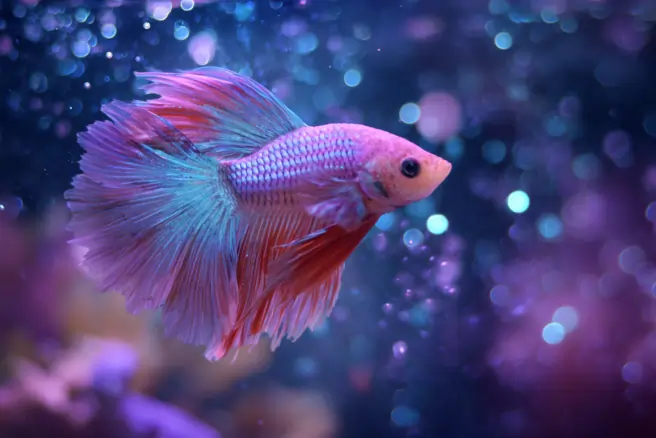
Selecting the perfect betta fish for your home aquarium involves careful consideration of various factors, from health and appearance to compatibility with your tank environment. Betta fish, also known as Siamese fighting fish, are not only visually stunning but also have unique needs that should be taken into account before making a purchase. Below is a detailed guide to help you make an informed decision when choosing a betta fish.
Assessing the Health of the Betta Fish
- Active Swimming Behavior: A healthy betta will swim actively and show curiosity about its surroundings.
- Bright Colors: The fins and body should display vibrant colors without dull or faded patches.
- Clear Eyes: Look for clear, focused eyes without cloudiness or swelling.
- Intact Fins: The fins should not appear torn, clamped, or frayed.
- Smooth Breathing: Ensure that the fish is breathing normally without visible labored movements at the water’s surface.
By carefully observing these characteristics in-store or at a breeder’s facility, you can ensure that you’re bringing home a thriving companion.
Type and Appearance
- Veil Tail (common)
- Crowntail (spiky fin edges)
- Halfmoon (semi-circular tail spread)
- Plakat (short-finned varieties resembling wild bettas)
- Solid colors such as red, blue, or white
- Multicolored bettas with intricate patterns
- Rare color morphs like copper or mustard gas
When deciding on appearance, think about what appeals most to you aesthetically while keeping in mind the level of care required for certain varieties.
| Tail Type | Characteristics | Difficulty Level |
| Veil Tail | Long flowing fins; common variety | Easy |
| Crowntail | Spiky fin edges; striking appearance | Moderate |
| Halfmoon | Wide tail spread resembling a “D” | Moderate |
| Plakat | Short-finned; hardy | Easy |
Compatibility with Your Aquarium Setup
- Betta fish require at least 5 gallons of water for comfort and optimal health.
- Maintain a water temperature between 76°F and 82°F using an aquarium heater.
- Check water pH levels regularly; aim for slightly acidic to neutral levels (6.5–7.5).
- Male bettas are territorial and should typically live alone unless housed with calm species like snails or shrimp.
- Avoid aggressive tank mates such as other male bettas or fin-nipping species.
Choosing Between Male and Female Bettas
- Male Bettas: More vibrant colors and elaborate fins but highly territorial.
- Female Bettas: Smaller fins with less vivid coloration but can coexist in groups known as sororities (with proper care).
Purchasing From Ethical Sources
To ensure the well-being of your new pet: – Research reputable breeders who prioritize ethical breeding practices. – Avoid purchasing from overcrowded tanks where stress may lead to disease.
By following these tips when selecting your new companion, you’ll set yourself up for success in creating a harmonious home aquarium tailored specifically for your chosen betta fish.
Your Guide to Finding the Best Betta Fish Online Shop for Your Home Aquarium
Choosing the perfect Betta fish for your home aquarium is an important decision that requires careful thought and planning. These vibrant, hardy fish can bring beauty and personality to your space, but selecting the right one involves considering factors like health, type, and compatibility with your tank setup.
https://splashyfishstore.com/collections/betta-fish-by-quality-grade/
How to Buy Betta Fish for Sale and Ensure They Are Healthy
- Bright Colors: Healthy Bettas typically have vibrant and rich coloration. Faded or dull colors can be a sign of stress or illness.
- Active Behavior: A healthy Betta should be alert and actively swimming around its container or tank.
- Fins: Look for intact fins without any tears or discoloration. Ragged fins may indicate fin rot or poor water conditions.
- Clear Eyes: Cloudy eyes might suggest an underlying health issue.
- Smooth Scales: Scales should be smooth and lie flat against the body. Raised scales could indicate dropsy, a serious condition.
It’s also essential to observe how the fish reacts when disturbed gently. A healthy Betta will show curiosity rather than lethargy.
Types of Betta Fish
| Type | Description |
| Veil Tail | One of the most common types; features long, flowing tails that droop downward. |
| Crown Tail | Recognizable by their fringed tail rays that resemble a crown. |
| Halfmoon | Displays a tail spread at 180 degrees when fully flared; very elegant but delicate. |
| Plakat | Known for their short tails and robust build; closer in appearance to wild Bettas. |
| Double Tail | Has two distinct tail lobes; often more symmetrical but can be prone to health issues due to genetics. |
Each type has unique characteristics, so choose one based on your preferences and level of experience in caring for Bettas.
Ensuring Proper Tank Setup
- Tank Size: While many assume Bettas thrive in small bowls, they do best in tanks no smaller than 5 gallons.
- Temperature: Between 76°F–82°F (24°C–28°C).
- pH Level: Slightly acidic to neutral (6.5–7.5).
- Filtration System: Use gentle filters that won’t create strong currents as Bettas prefer calm water.
- Add live or silk plants that mimic their natural habitat.
- Include hiding spots (e.g., caves), as they enjoy retreating occasionally.
Compatibility Considerations
- Corydoras catfish
- Kuhli loaches
- Nerite snails
- Shrimp (e.g., Amano shrimp)
Avoid housing male Bettas together unless you’re experienced with managing aggression risks.
By carefully considering these factors—health indicators, type selection, proper tank preparation—you can choose the perfect Betta fish that will thrive in its new home while adding grace and vibrancy to your aquarium setup.
Creative Tips for Naming Your Betta Fish with Personality
Choosing a name for your betta fish can be an exciting and creative process. A well-chosen name reflects not only the fish’s physical characteristics but also its unique personality traits or behaviors. Below are some tips and ideas to help you find the perfect name for your aquatic friend.
Consider Physical Characteristics
- Red: Ruby, Crimson, Scarlet
- Blue: Sapphire, Azure, Cobalt
- Yellow: Sunny, Goldie, Lemon
- White: Pearl, Snowflake, Ivory
- Fin Shape or Size: Consider names like Feather (for long fins), Flare (for aggressive fin displays), or Ripple.
Match Their Personality
- Flash, Bolt, Turbo
- Zen, Chillie, Serenity
- King, Alpha, Titan
Draw Inspiration from Pop Culture
- Nemo (Finding Nemo), Dory (Finding Dory), Ariel (The Little Mermaid)
- Napoleon (for a fiery personality), Cleopatra (for elegance)
- Poseidon (god of the sea), Triton
Understanding the Costs Associated with Owning a Betta Fish
Betta fish are often perceived as low-maintenance pets, but owning one still comes with costs that every potential owner should understand. While they are relatively affordable compared to other pets, there are both initial and ongoing expenses to consider to ensure your betta lives a healthy and fulfilling life.
Initial Costs of Owning a Betta Fish
| Item | Estimated Cost Range |
| Betta Fish | $5 – $30 |
| Aquarium (5-10 gallons) | $20 – $50+ |
| Water Conditioner | $5 – $15 |
| Aquarium Heater | $15 – $40 |
| Aquarium Filter | $10 – $50+ |
| Substrate (gravel/sand) | $5 – $25 |
| Decorations/Plants | $10 – $30+ |
| Test Kit for Water Quality | $15 – $25 |
- Betta Fish: Depending on the species or coloration, prices for bettas can vary widely. Rare or exotic breeds tend to cost significantly more.
- Aquarium and Equipment: Bettas require a tank of at least 5 gallons with proper temperature regulation (75°F-80°F), water filtration, and enrichment through decorations or live plants.
- Water Conditioner: Necessary for removing harmful chemicals like chlorine from tap water, ensuring it is safe for your betta.
Recurring Monthly Expenses
- Fish Food: High-quality pellets or freeze-dried/frozen foods cost around $3-$10 per month.
- Replacement filter cartridges: Approximately $5-$15 monthly, depending on filter type.
- Water conditioner: May need replenishing every few months, costing about $5-$10 each time.
- Health Care Needs: While uncommon when properly cared for, illnesses in bettas may require treatment using medications like antifungal or antibacterial remedies ($10-$20 per treatment).
Additional Costs to Consider
Beyond the essential items, owners may encounter optional or unexpected expenses: – Upgraded tanks or accessories as your experience grows ($50+). – Emergency veterinary care if serious health issues arise ($50-$100+ per visit, depending on location). – Backup equipment such as spare heaters or thermometers.
Cost-Saving Tips
To manage expenses effectively: – Invest in quality equipment upfront to avoid frequent replacements. – Use live plants to enhance water quality naturally while enriching the tank environment. – Buy supplies in bulk when possible (e.g., food or water treatments) to reduce long-term costs.
Caring for a betta requires financial planning alongside dedication. Understanding these costs ensures you’re fully prepared to provide them with a comfortable and healthy habitat throughout their lifespan of 3–5 years (or longer with proper care).
Essential Insights into the Unique Characteristics of Betta Fish
Betta fish, also known as Siamese fighting fish, are one of the most popular freshwater aquarium species. Their unique characteristics make them fascinating pets and excellent additions to home aquariums. Understanding these traits will help you provide a better environment for them while fully appreciating their beauty and behaviors.
1. Territorial Nature
Betta fish are famously territorial, especially males. This trait stems from their natural habitat in Southeast Asia, where they often inhabit small, stagnant pools such as rice paddies or shallow streams. Due to limited space, bettas have evolved to defend their territory vigorously.
- Male Betta Behavior: Male bettas should not be housed together as they will likely fight to the death or experience constant stress.
- Female Betta Groups: Female bettas are less aggressive and can sometimes live together in a group called a sorority. However, creating harmony requires careful planning with sufficient space and hiding spots.
| Type of Betta | Can Live Together? | Notes |
| Male & Male | No | Fights are inevitable |
| Female & Female (Sorority) | Yes (with conditions) | Minimum 4-6 females required; ample space needed |
| Male & Female | Rarely | Only during controlled breeding efforts |
2. Breathing Adaptations: The Labyrinth Organ
Betta fish possess a special respiratory adaptation called the labyrinth organ. This organ allows them to breathe atmospheric air directly from the water’s surface.
- Key Benefit: It enables them to survive in low-oxygen environments like stagnant puddles.
- Ensure that your tank has access to open air at the surface.
- Avoid completely sealing tanks with tight lids without ventilation.
3. Vibrant Colors and Long Fins
One of the most striking characteristics of bettas is their vibrant color variations and flowing fins. These features have been enhanced through selective breeding over decades.
Popular fin shapes include: – Veil Tail – Crowntail – Halfmoon – Double Tail
Popular colorations include: – Solid colors (blue, red, white) – Marble patterns – Bi-color or multi-color combinations
4. Intelligence and Interaction
- They can recognize their owners and may even follow your finger along the glass.
- Bettas can be trained to perform tricks such as swimming through hoops or jumping out of water for food.
Providing enrichment activities like floating mirrors or interactive toys can keep your betta mentally stimulated.
5. Sensitivity to Environmental Conditions
Other tips include: – Use a heater in colder climates. – Avoid strong filtration currents; opt for gentle water flow instead.
By understanding these unique characteristics of bettas, you’ll be better equipped to care for them properly while enjoying all that makes them special aquatic companions.
Discover the Beauty and Diversity of Betta Fish for Sale
Betta fish, also known as Siamese fighting fish, are renowned for their mesmerizing colors and intricate patterns. Their vivid appearance and unique designs are a significant part of what makes them such a popular choice for aquarists around the world. Understanding the diversity of betta fish colors and patterns is key to appreciating these remarkable creatures.
Common Betta Fish Colors
- Red: One of the most vibrant and striking hues, red bettas are a classic choice.
- Blue: Ranging from deep royal blue to lighter sky blue shades, blue bettas are highly sought after.
- Turquoise: A mix between blue and green tones, turquoise bettas shimmer beautifully in light.
- Green: Although rare in its pure form, green can range from dark forest shades to iridescent tones.
- Yellow: Often called “non-red” bettas, yellow fish have warm golden or lemony coloring.
- White/Albino: Solid white or albino-colored bettas create a clean and elegant look.
- Purple/Lavender: A rare but stunning option; lavender bettas feature soft purples blending with other hues.
Types of Betta Fish Patterns
- Bettas with this pattern display a single solid color throughout their body and fins.
- Examples: Entirely red or entirely blue bettas.
- Bi-color bettas feature one color on their body and another on their fins.
- Example: A yellow body with black fins.
- This pattern features unique blotches or patches resembling marble stonework.
- Interesting Fact: Marble-patterned bettas can change color over time due to genetic traits.
- Butterfly-patterned bettas have two distinct bands of color on their fins—one near the base transitioning into another toward the edges.
- Inspired by koi fish, this pattern displays striking splotches across the body in colors like orange, black, white, or gold.
- This features thick iridescent scaling that creates an armor-like effect, typically paired with bold primary colors.
- Cambodian bettas have pale bodies (usually white or light pink) paired with brightly colored fins.
Table Overview of Popular Betta Colors & Patterns
| Color/Pattern | Description | Unique Feature |
| Red | Bold and vibrant | Classic favorite among hobbyists |
| Blue | Deep royal to light sky blue | Highly reflective under aquarium lights |
| Marble | Irregular patches resembling marble | Can change over time due to genetics |
| Dragon Scale | Thick metallic scales | Resembles shimmering armor |
| Koi | Multicolor splotches | Inspired by koi fish design |
Tips for Choosing Colorful Bettas
- Look for bright pigmentation as it indicates good health.
- Consider lighting in your tank; certain colors like turquoise or iridescent greens may appear more vibrant under specific lighting conditions.
- Pair complementary backgrounds (e.g., dark substrates) to enhance your fish’s natural beauty.
The beauty and diversity found in betta fish make them an excellent addition for anyone seeking colorful aquatic life in their home aquarium. Proper care will ensure they maintain their vibrant hues while thriving comfortably in your tank environment.
Fun Facts About Betta Fish: History, Behavior, and Traits
Betta fish, also known as Siamese fighting fish, are some of the most fascinating and popular freshwater aquarium species. Their vibrant colors and unique behaviors make them a favorite among hobbyists. Below are some interesting facts about their history, behavior, and traits that highlight why they stand out in the aquatic world.
A Glimpse Into Betta Fish History
- Origin: Betta fish are native to Southeast Asia, primarily found in shallow waters such as rice paddies, ponds, and slow-moving streams in Thailand, Cambodia, Laos, and Vietnam.
- Cultural Significance: In Thailand (formerly Siam), bettas were originally bred for their aggressive behavior. They were used in competitive fish fights where spectators would bet on their champions—hence the name “fighting fish.”
- Scientific Name: The scientific name of the betta is Betta splendens, which translates to “splendid fighter.”
Intriguing Behavioral Traits of Betta Fish
- Labyrinth Organ: One distinct feature is their labyrinth organ, which allows them to breathe air from the surface. This adaptation enables them to survive in oxygen-poor waters where other species might struggle.
- Bubble Nests: Male bettas construct bubble nests at the water’s surface as part of their breeding ritual. These nests not only house fertilized eggs but also demonstrate a male’s readiness to reproduce.
- Flair Displays: Bettas flare their gill covers and spread their fins when they feel threatened or when attempting to assert dominance over rivals. This behavior is often seen during territorial disputes or courtship displays.
- Solitary Nature: While beautiful and charismatic, bettas are highly territorial by nature. Housing two male bettas together often results in aggressive encounters that can be harmful or fatal.
Fascinating Physical Traits of Bettas
| Trait | Description |
| Color Variations | Bettas display an extensive palette of colors including red, blue, green, white, purple, yellow, and more thanks to selective breeding efforts over generations. |
| Fin Types | From veiltails to halfmoons and crowntails to plakats (short-finned bettas), the diversity in fin shapes adds further allure to this species. |
| Sexual Dimorphism | Males often have longer fins with brighter coloration compared to females. Females tend to have more muted tones but still display subtle beauty. |
Unique Adaptations That Aid Survival
Betta fish possess several survival mechanisms: – They can jump out of water if needed—a skill useful for escaping predators or moving between small bodies of water during the dry season. – Their ability to live in small spaces like puddles stems from low oxygen demands coupled with their labyrinth organ.
Understanding these historical contexts and unique traits helps deepen our appreciation for this remarkable species while providing insight into how best we can care for them as pets.
- How to Buy Betta Fish Online and Choose the Perfect One for Your Home Aquarium
- The Ultimate Guide to Buy Betta Fish Online in 2026
- How to Find Betta Fish for Sale and Choose a Healthy One for Your Aquarium
- Where to Find Betta Fish for Sale and Care Tips to Keep Them Healthy
- Where to Find the Best Betta Fish Online Shop for Your Tank Needs
- A Beginner’s Guide to Caring for Betta Fish for Sale and Understanding Their Characteristics
- Where to Find Betta Fish for Sale and How to Care for Them